Food label design in India: what to include on a packaged food label
A checklist of what a packaged food label in India generally carries, how to lay it out clearly and how to check it before it goes to print.
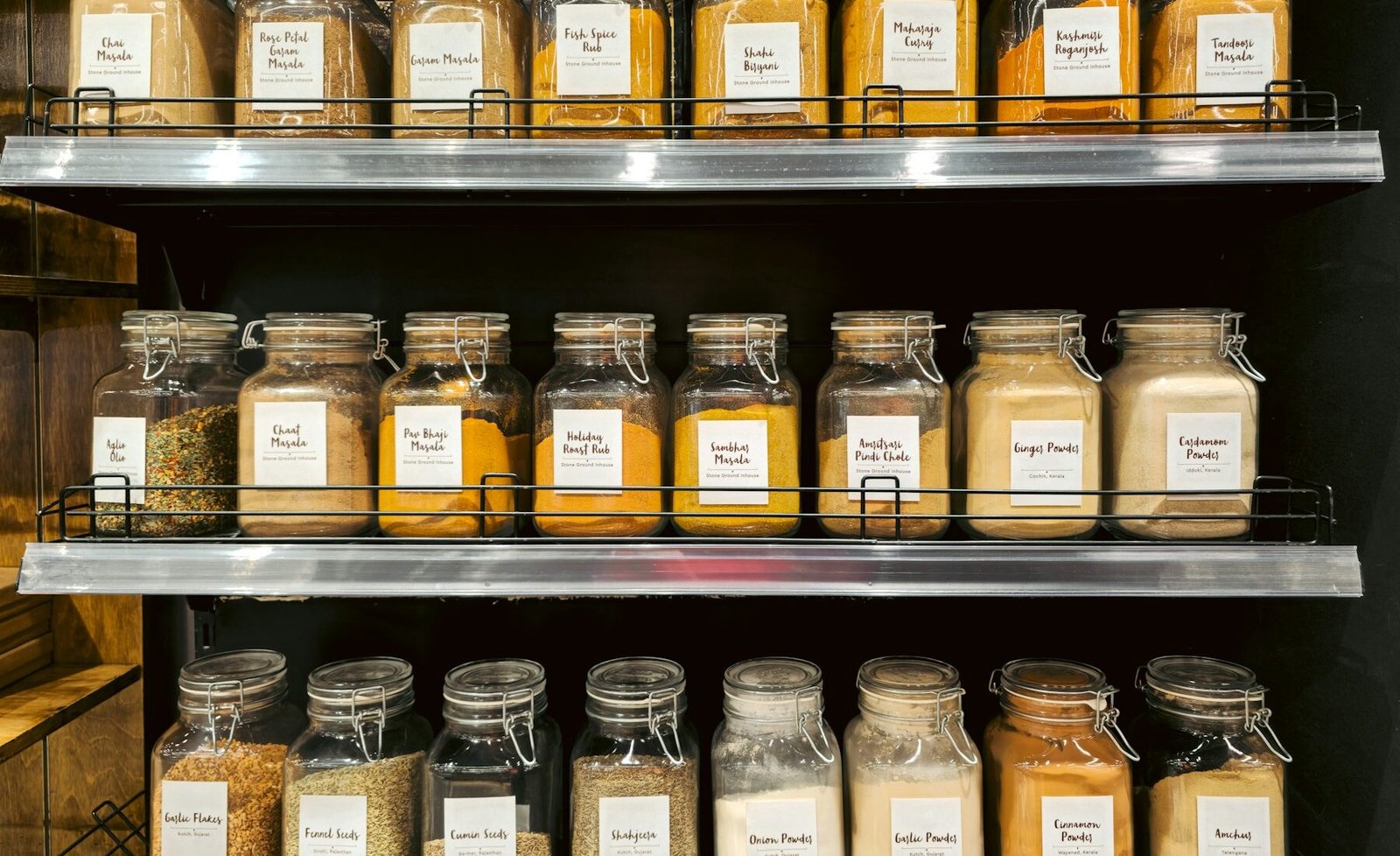
A packaged food label in India generally carries the name of the food, ingredients, nutrition information, veg or non-veg symbol, FSSAI logo and licence number, net quantity, MRP, date marking, batch details and the manufacturer address. Rules change and differ by product, so confirm the current requirements before printing and give your designer verified text.
A food label has two jobs: sell the product on the shelf and give the information buyers and regulators expect. Good design makes both work without crowding the pack. This guide covers the usual items, how to lay them out, and how to check a label before it goes to print. It is a design guide, not legal advice, so confirm requirements with the latest FSSAI rules or a food regulatory consultant.
1. The information a label usually carries
| Item | Design note |
|---|---|
| Name of the food | Clear and easy to read, not hidden by artwork |
| Ingredients list | Readable size and contrast, in the order required |
| Nutrition information | Keep it in a clean table with consistent units |
| Veg / non-veg symbol | Use the correct standard symbol at a visible size |
| FSSAI logo and licence number | Use the official mark and a correct number |
| Net quantity and MRP | Place where buyers and billing staff can find them |
| Date marking and batch | Leave space for printing or stamping the variable data |
| Manufacturer address | Complete details as per your licence |
2. Layout that keeps it clear
- Put the brand, product name and one strong visual on the front. Keep the mandatory details on the back or side panel.
- Use enough contrast and a readable minimum size for small text.
- Keep grouped information together so it is easy to scan.
- Leave a clear area for date and batch printing so it does not overlap artwork.
For shelf impact, see how to design a food or FMCG pack that stands out.
Finalise and approve the label text before design starts. Changing ingredients, claims or numbers after the artwork is done causes delays and reprint costs.
3. Prepare the file for print
Food labels and cartons need the right colour mode, bleed, safe margins and fonts. Our print-ready artwork checklist covers these, and the packaging review checklist shows how to proof a pack before it goes to press.
We design food and FMCG packs and labels in Pune, and prepare print-ready files for your printer. Share your product details on WhatsApp and we will suggest a layout plan.
4. Check before printing
- Confirm the text with whoever handles your regulatory review.
- Check spelling, numbers, units, dates and symbols on the proof.
- Check barcodes scan and the FSSAI mark is the official artwork.
- Print a sample and view it on the real pack, in normal light.
- Get final sign-off in writing before the press run.
Common mistakes
Tiny, low-contrast text
Beautiful artwork behind small text makes the label hard to read.
Unverified information
Design should use approved text. Do not copy details from a competitor’s pack.
No space for variable data
Date, batch and price need a clean area, or the stamp will clash with the design.
Skipping the sample
Colours and sizes look different on screen. Check a printed sample first.
Packaging design · Pharma design and printing · Print, signage and visual aids · Contact us for a quote
Questions and answers
What goes on a packaged food label in India?
Generally the name of the food, ingredients, nutrition information, veg or non-veg symbol, FSSAI logo and licence number, net quantity, MRP, date marking, batch details and the manufacturer address. Requirements vary by product, so confirm the current rules.
Who checks if my label follows the rules?
You are responsible for compliance. Check the latest FSSAI regulations or ask a food regulatory consultant to review the label before printing.
Can a designer make my label FSSAI compliant?
A designer lays out the mandatory information clearly and print-ready, but the content and its compliance should come from your regulatory review. Share the verified text with the designer.
What is the best way to avoid label mistakes?
Use a checklist, get the text approved by the right person before design, and review a proof for spelling, numbers, dates and symbols before printing.

A design studio in Pune, Maharashtra making logos, brand identities, packaging, websites and campaigns for companies that sell real products and services.