Pharma LBL design: how to plan a leave-behind literature that doctors keep
How to plan a pharma LBL (leave-behind literature): format, content flow, layout, review steps and print preparation for a leave-behind that is clear, compliant and easy to keep.
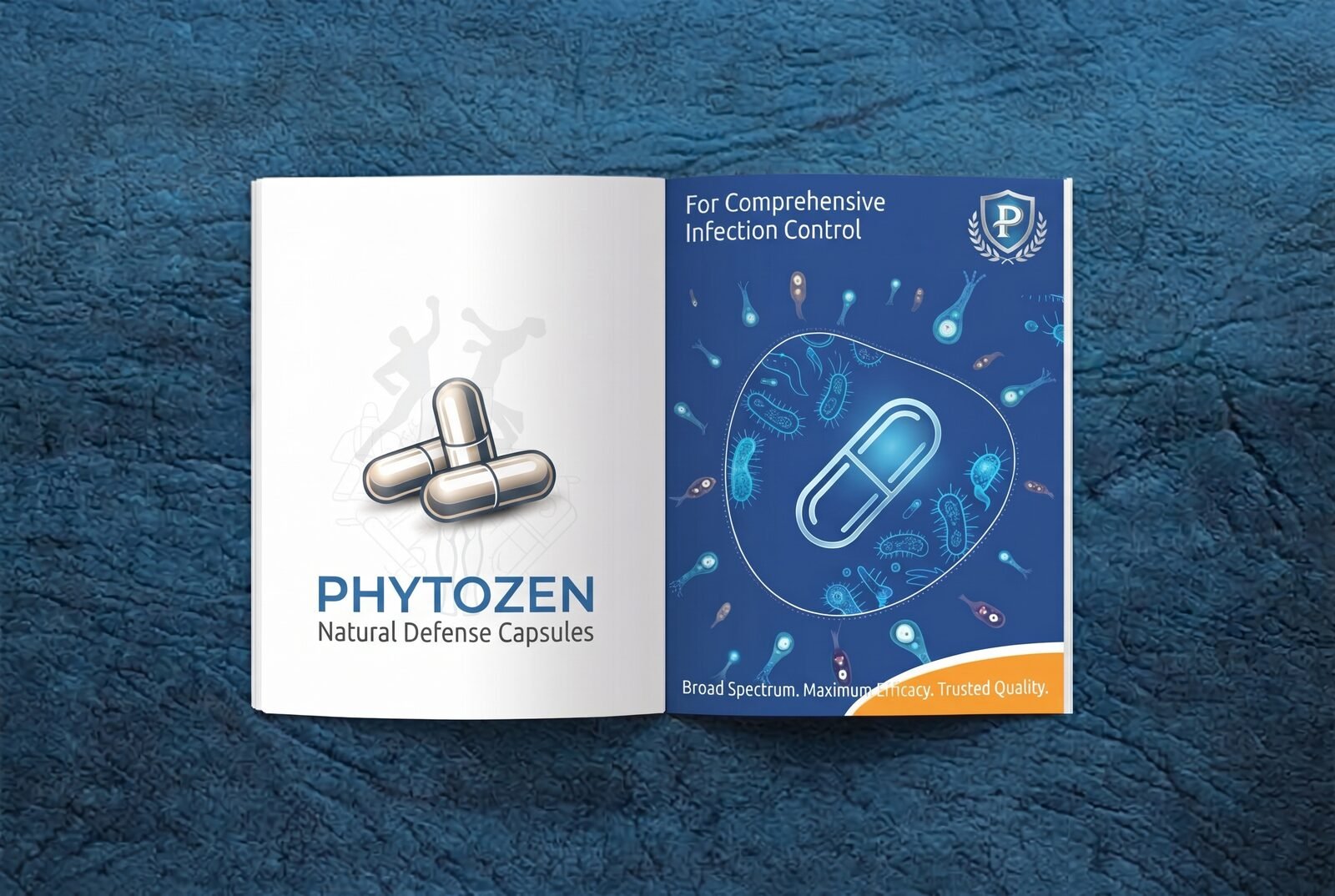
A good pharma LBL (leave-behind literature) carries one clear message, uses only content approved by your medical and regulatory teams, has a readable layout with correct brand elements, and is made in a format that is easy for a doctor to keep. Plan the message first, then format, layout, review and print preparation.
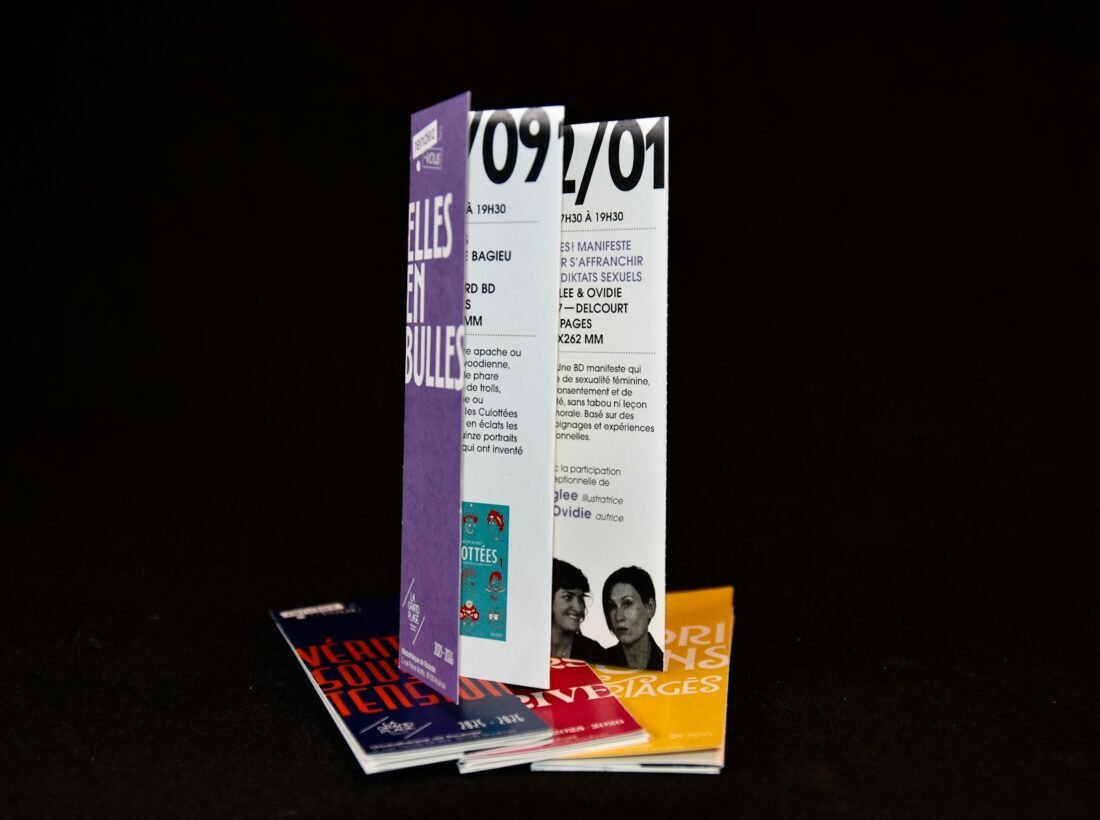
A leave-behind is the printed piece a medical representative leaves with a doctor after a visit. It has to work without the representative present, so clarity and accuracy matter more than decoration. This guide shows how to plan one. It is a design guide, not regulatory advice, so always follow your company’s approval process and applicable rules.
1. Start with one message
Decide the single point you want the doctor to remember: a product benefit, a key study point or a usage reminder. A leave-behind that tries to say everything is quickly put aside. Build the layout around that one message and support it with a few lines.
2. Choose the format
| Format | Good for |
|---|---|
| Single card or flyer | One message, a reminder or a quick product highlight |
| Folded leaflet | A short story: problem, product, evidence and usage |
| Small booklet | More detailed information for a product range |
Think about how it will be carried and kept. A format that fits easily in a doctor’s pocket or desk drawer is more likely to stay. For the larger detailing tools used during the visit, see pharma visual aid design: what makes a leave-behind or detailing aid work.
3. Layout that is easy to read
- Put the product name, brand elements and key message where the eye lands first.
- Use clear headings, short lines and consistent spacing.
- Keep references, prescribing information and mandatory lines legible at their required size.
- Use brand colours and fonts consistently across all brand material.
Get approved text and references into the design file before layout begins. Late content changes in pharma material usually restart the review cycle and delay printing.
4. Review before print
- Check every claim and reference against your approved source.
- Check brand names, strengths, units and spellings letter by letter.
- Confirm required statements and symbols are present and legible.
- Get written sign-off from the right approvers on the final proof.
- Check the printed sample for colour, folds and trimming.
Our pharma packaging layout and review checklist follows a similar process and can be adapted for printed literature.
We design pharma visual aids, LBLs, leave-behinds and packaging in Pune and coordinate print-ready files. Share your brand and approved content on WhatsApp and we will suggest a format and plan.
5. Prepare print-ready files
Confirm size, folds, paper and finish with your printer, then export a print-ready PDF with bleed and correct colour mode. The steps are in our print-ready artwork checklist. If you are choosing a local partner, read how to choose a pharma design studio in Pune.
Common mistakes
Too many messages
A crowded leave-behind is hard to remember. Focus on one point.
Unapproved or changing content
Design from final approved text to avoid repeat reviews and reprints.
Tiny references and mandatory text
Make required lines legible and check them on a printed proof.
Ignoring how it is carried
Choose a size that field teams can carry and doctors can keep easily.
Packaging design · Pharma design and printing · Print, signage and visual aids · Contact us for a quote
Questions and answers
What is an LBL in pharma?
LBL stands for leave-behind literature. It is a short printed piece that a medical representative leaves with a doctor after a visit, to remind them of the brand and its key message.
What makes a good pharma LBL?
A single clear message, approved content, readable layout, correct brand elements and a format that is easy to keep and refer to.
What size is a pharma LBL?
Common formats are a single card, a folded leaflet or a small booklet. Choose by how much approved content you have and how the field team will carry it.
Who approves LBL content?
Content and claims should be approved by your company's medical and regulatory teams before design and printing. A designer works from the approved text.

A design studio in Pune, Maharashtra making logos, brand identities, packaging, websites and campaigns for companies that sell real products and services.