Visiting card design: size, paper, finish and mistakes to avoid
A practical visiting card design guide: standard size, paper and finish choices, what to put on the card and the mistakes that make a card forgettable.
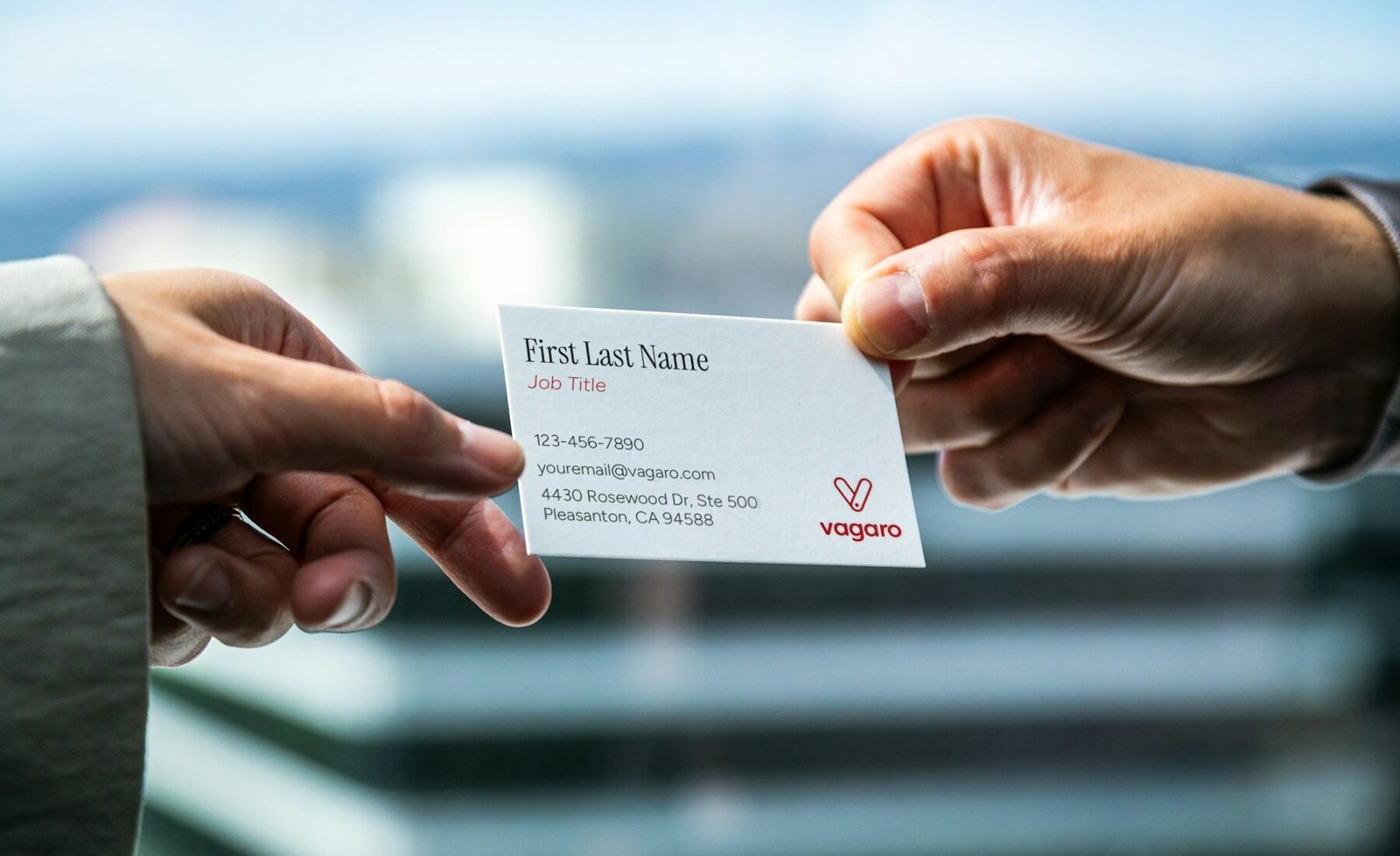
A good visiting card is a standard size (about 90 x 55 mm in India), printed on thick paper (around 300 to 350 GSM), with one clear name, role and phone number, a readable layout and a finish that suits your brand. Keep it simple, check spelling twice and send the printer a print-ready PDF with bleed.
A visiting card is small, but it is often the last thing a customer keeps from a meeting. A clean, well printed card makes you look organised. A crowded or badly printed one does the opposite. This guide covers size, paper, finish, content and file preparation.
1. Choose the size
| Size | Good for |
|---|---|
| About 90 x 55 mm | The common size in India. Fits standard card holders and wallets. |
| About 85 x 55 mm | A slightly narrower, modern look that still fits most holders. |
| Square or custom shape | Creative studios and boutique brands that want to stand out. Check the holder and printing cost first. |
Custom shapes need a special die and usually cost more. For most businesses, the standard size is the safest choice.
2. Pick paper and finish
- Paper weight: around 300 to 350 GSM feels solid. Thin paper feels cheap.
- Matt lamination: a soft, premium feel and no fingerprints.
- Gloss lamination: bright colours, but it shows marks and is harder to write on.
- Spot UV or foil: highlight a logo or name. Use it on one element only.
- Uncoated paper: a natural, textured look. Colours print a little softer.
Ask your printer for a paper sample or a proof before a large run. Colour and thickness look different on screen and in your hand.
3. What to put on the card
- Logo and business name.
- Your name and role.
- One main phone or WhatsApp number.
- Email and website.
- Address, only if customers visit you.
Leave empty space around the text. A card with fewer items is easier to read and remember. Use the same colours and fonts as the rest of your brand. See how to choose brand colours and fonts.
We design visiting cards, letterheads and full brand stationery in Pune and prepare print-ready files for your printer. Send your logo and details on WhatsApp and we will suggest a layout.
4. Prepare the file for print
- Set the exact card size and add bleed (usually 3 mm) on every side.
- Keep text inside a safe margin so nothing is cut off.
- Use the colour mode your printer asks for and high-resolution images.
- Convert fonts to outlines and export a print-ready PDF.
The full list is in our print-ready artwork checklist.
Common mistakes
Too much information
Social links, three phone numbers and a long list of services crowd the card. Keep only what helps someone contact you.
Tiny text
Very small fonts become unreadable in print. Test by printing the card at actual size at home.
Text too close to the edge
Cutting is never perfect. Keep text inside the safe margin.
Spelling and number errors
Check every digit of the phone number and every letter of the email before approving the proof.
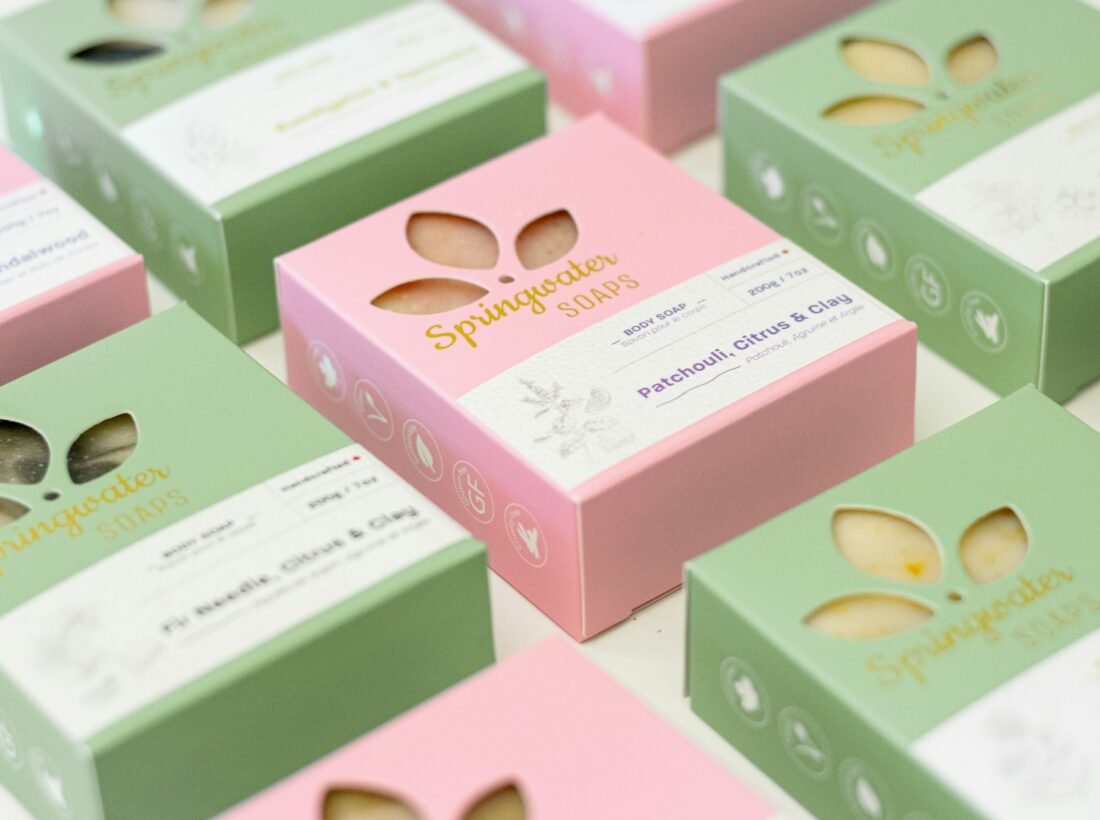
Packaging design · Pharma design and printing · Print, signage and visual aids · Contact us for a quote
Questions and answers
What is the standard visiting card size in India?
The common size is about 90 x 55 mm. Some businesses use about 85 x 55 mm. Check your card holder and printer before finalising.
Which paper is best for visiting cards?
Paper around 300 to 350 GSM feels solid and professional. Ask your printer for samples to compare feel and colour.
Matt or gloss lamination for visiting cards?
Matt gives a soft, premium look and resists fingerprints. Gloss makes colours brighter but shows marks. Choose by your brand style.
What should a visiting card include?
Your logo, name, role, one main phone number, email and website. Add an address only if customers visit you.

A design studio in Pune, Maharashtra making logos, brand identities, packaging, websites and campaigns for companies that sell real products and services.