Packaging printing process: cartons, labels, proofs and minimum order quantity
How packaging printing works from artwork to delivery: cartons and labels, dielines, proofs, finishes and what decides minimum order quantity.
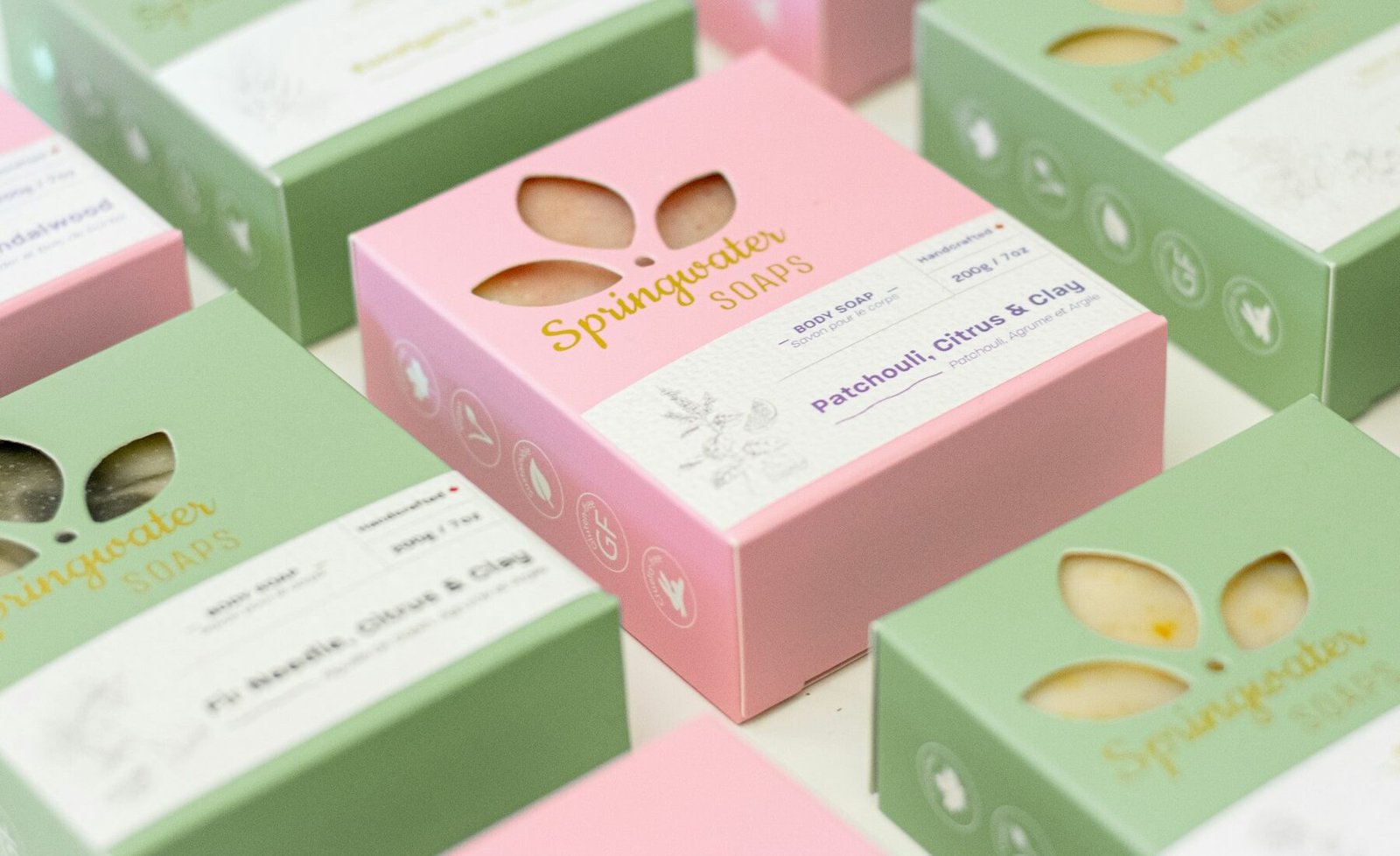
Packaging printing moves in a clear order: approved artwork on a dieline, a proof, plate or digital setup, printing, coating or finishing, die-cutting and pasting, then delivery. Minimum order quantity depends on the printing method, the structure and the printer, so confirm it before you finalise the design.
If you are printing cartons or labels for the first time, the process can feel confusing. Knowing the steps helps you give the right files, avoid delays and compare quotes properly. This guide explains the basics in plain language.
1. Start with the structure and dieline
A dieline is the flat plan of a carton or label, showing folds, cuts and glue areas. Artwork is designed on top of it. Get the dieline from your printer or have it made for your product size. Designing without it often leads to text on folds or cut edges.
2. Common packaging types
| Type | Typical use |
|---|---|
| Folding carton | Pharma, cosmetics, food and consumer products |
| Corrugated box | Shipping and heavier products |
| Labels and stickers | Bottles, jars, pouches and bulk packs |
| Pouches and wrappers | Snacks, dry fruits and powders |
3. The printing steps
- Final artwork: approved text, correct colours, bleed and a print-ready PDF.
- Proof: a digital or printed proof to check colour, text and cut lines.
- Setup: plates for offset printing, or file setup for digital printing.
- Printing: on board, paper or film, depending on the pack.
- Finishing: lamination, varnish, spot UV, foil or embossing if chosen.
- Die-cutting and pasting: cutting to shape and gluing the carton.
- Quality check and delivery.
Approve a physical proof or a sample for important jobs. Colours on screen can look different from the final print on board.
4. What decides minimum order quantity
- Printing method: digital printing suits small runs. Offset suits larger runs and costs less per piece at volume.
- Setup cost: plates, dies and special finishes add fixed cost, which is why very small runs cost more per piece.
- Material: special boards, films or foils may have their own minimums.
- Number of variants: each flavour or strength usually needs its own artwork and setup.
Minimums vary by printer, so always ask for the quantity at which the price becomes reasonable for you.
We design cartons, labels and pouches in Pune and prepare dielines and print-ready files for your printer. Share your product and quantity on WhatsApp and we will suggest a structure and plan.
5. Get the files right
Use the dieline, add bleed, keep text inside the safe area and export a print-ready PDF. Our print-ready artwork checklist covers the details. For regulated products, use the pharma packaging review checklist and the food label guide as a starting point, and always follow your own approval process.
Common mistakes
Changing text after approval
Late changes mean new proofs and sometimes new plates. Lock the text first.
Ignoring the dieline
Text or logos near folds and cuts get damaged. Always design on the dieline.
Choosing a finish without a sample
Spot UV and foil look different in real life. Ask to see a sample.
Not asking about quantity early
Ask for prices at two or three quantities so you can plan your first run properly.
Packaging design · Pharma design and printing · Print, signage and visual aids · Contact us for a quote
Questions and answers
What is a dieline in packaging?
A dieline is the flat plan of a carton or label showing folds, cuts and glue areas. Artwork is designed on it so nothing is cut or folded wrongly.
What decides the minimum order quantity for packaging?
Printing method, setup cost for plates and dies, material, finishes and the number of variants all affect it. Minimums differ by printer, so confirm before designing.
Digital or offset printing for packaging?
Digital suits small runs and quick changes. Offset usually works out cheaper per piece for larger runs.
Do I need a proof before printing packaging?
Yes. A proof lets you check text, colour and cut lines before the full run. For important jobs, approve a physical sample.

A design studio in Pune, Maharashtra making logos, brand identities, packaging, websites and campaigns for companies that sell real products and services.