Brand guidelines: what to include so your team and printers get it right
A brand guidelines document keeps your logo, colours and layouts consistent across vendors and staff. Here is what a useful one contains and how to keep it usable.
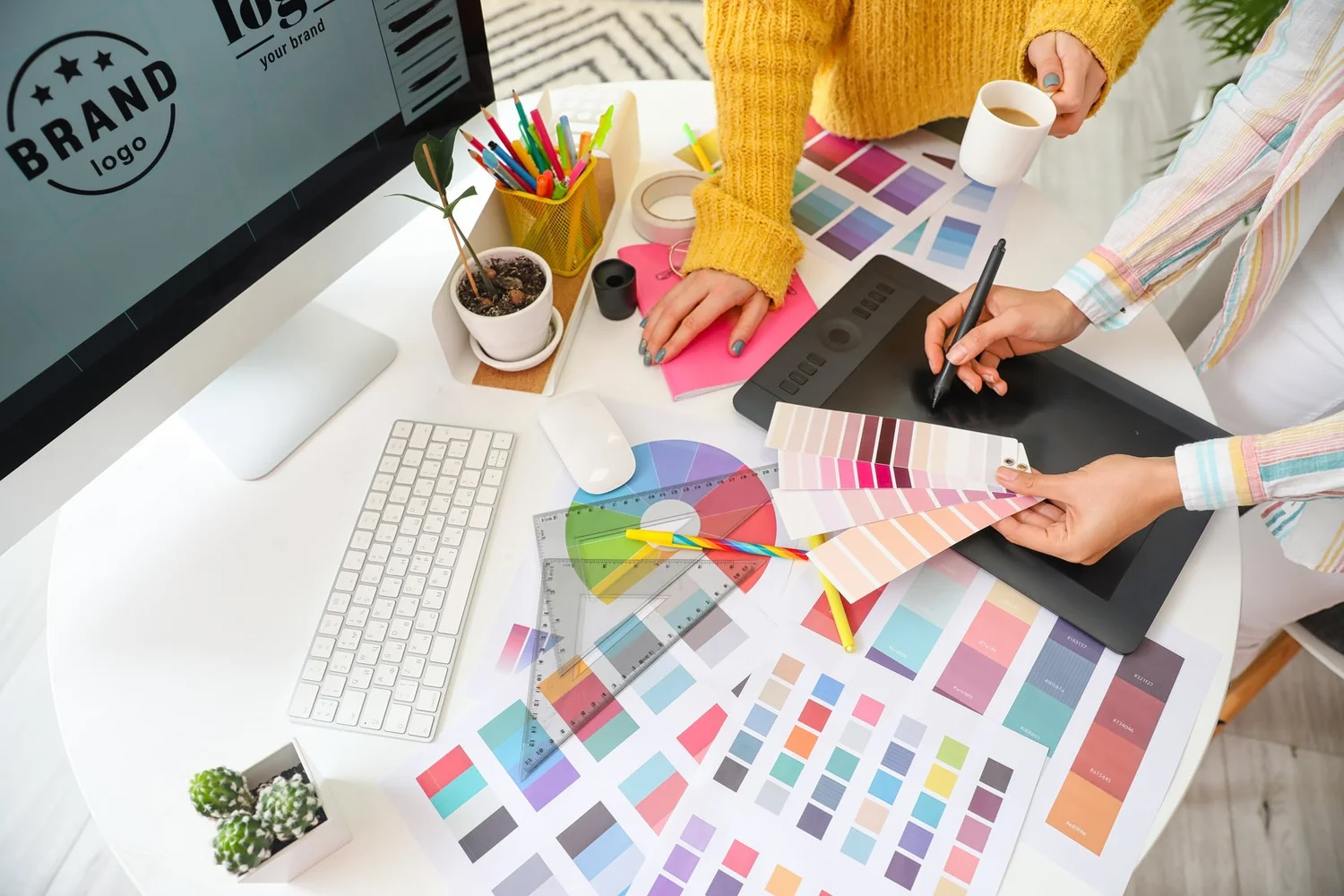
Brand guidelines are a short reference document that explains how to use your logo, colours, typography, imagery and layouts correctly. A useful one includes logo versions and clear space, colour values for print and screen, approved fonts, a few real layout examples and a list of common mistakes.
Without guidelines, every vendor makes small decisions: a slightly different blue, a stretched logo, a new font. After a year, the brand looks like several companies. Guidelines remove those decisions, so sales teams, printers and agencies can produce consistent material without calling the designer each time.
Who needs brand guidelines?
Any business where more than one person or vendor produces material: sales teams with presentations, dealers with local advertising, printers handling packaging, agencies posting on social media. A one-person business can start with a single page. A growing company needs a fuller document.
What to include
| Section | What it contains |
|---|---|
| Brand summary | One paragraph on who you are, who you serve and how you speak |
| Logo versions | Primary, stacked, icon, one-colour and reversed versions |
| Clear space and minimum size | The empty space around the logo and the smallest size it may be used at |
| Colour palette | Colour values for print and screen, with the primary and supporting colours |
| Typography | Approved fonts, where they are used and fallback fonts for documents |
| Imagery and graphics | The style of photographs, icons and patterns that fit the brand |
| Layout examples | A visiting card, a letterhead, a social post and a pack, showing the system in use |
| Common mistakes | Examples of what not to do, such as stretching or recolouring the logo |
Keep it short enough to be used
A forty-page document that nobody opens fails. Aim for a length your team will read: many small businesses need five to fifteen pages. Put the rules people look for most, the logo and colours, at the front, and use real examples instead of long explanations.
Give printers and agencies a one-page quick reference with the logo files and colour values, and keep the full guidelines for your internal team.
Specify colours properly
A colour looks different on a screen, on coated paper and on a pouch. Guidelines should give values for the formats you use: screen values for the website, process or spot values for print, and a note for packaging where the printer matches against a physical reference. Ask your printer to confirm colour on the actual material before a large run.
Our brand identity projects end with a guidelines document, plus logo files and examples in use, so your team and printers can follow it from day one.
Keep it alive
Guidelines are not finished on delivery day. Review them once a year. Add new layouts as you launch products, retire examples that are no longer used and store the current version in one shared place, so people do not circulate old copies.
Quick checklist
- Every logo version is included as a file and shown in the document
- Clear space and minimum size are stated
- Colours are given for print and screen
- Fonts are named, with fallbacks
- Real examples are shown
- Common mistakes are listed
- One person owns updates
If you are still deciding between a logo and a full identity, read our article on logo, brand identity and branding.
Questions and answers
What are brand guidelines?
A short reference document that explains how to use your logo, colours, fonts, imagery and layouts so that every team and vendor produces consistent material.
How long should brand guidelines be?
Long enough to cover the essentials and short enough to be used. Many small businesses need five to fifteen pages with real examples.
Do I need brand guidelines for a small business?
If more than one person or vendor creates your material, yes. A one-page version covering logo versions, colours and fonts is a good start.

A design studio in Pune, Maharashtra making logos, brand identities, packaging, websites and campaigns for companies that sell real products and services.